


Droëwors & Biltong – South Africa’s Iconic Cured Meat Snacks Explained
- Zenani Sizane

- Jul 13, 2025
- 3 min read
When it comes to South African snacking, two names stand tall above the rest: Biltong and Droëwors. These air-cured meat delicacies are more than just protein-rich treats, they’re cultural staples with centuries of heritage behind them.

Whether packed for a hike, served at a braai, or nibbled during a rugby match, these high-flavor, low-effort snacks are as proudly South African as a potjie on the fire.
In this post, we explore the origins of biltong and droëwors, their differences, how they’re made, how to enjoy them, and why they’re loved around the world.
What Are Biltong and Droëwors?
Biltong
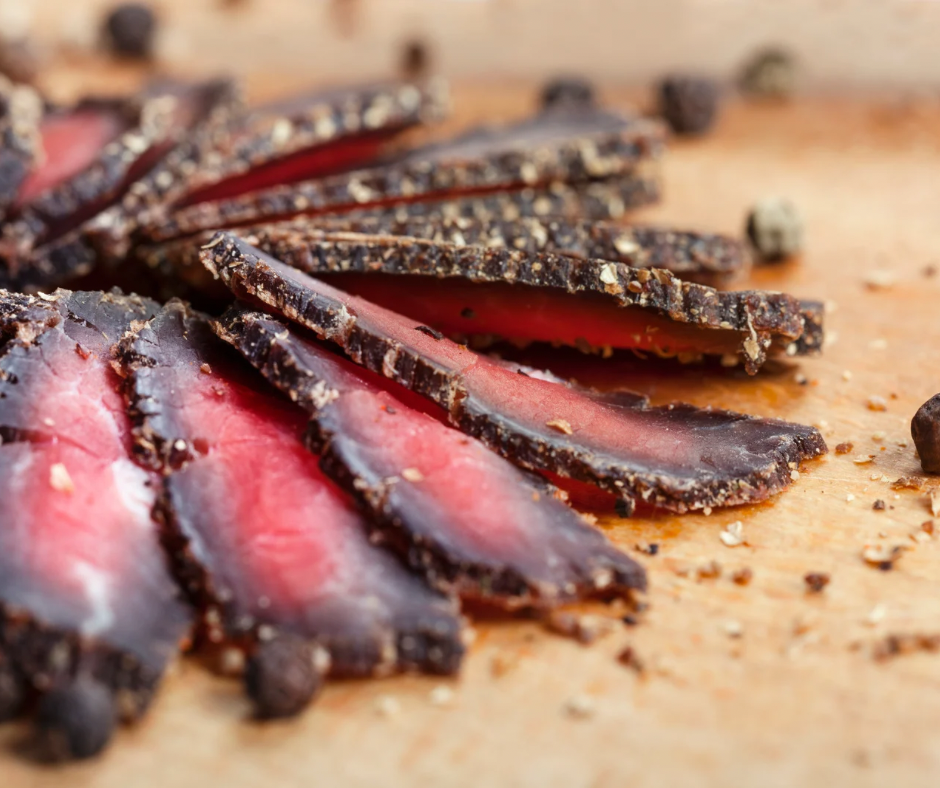
A seasoned, air-dried meat snack made from beef, game, or even ostrich. Biltong is typically sliced into thick or thin pieces and is known for its deep flavor, meaty chew, and spiced crust.

Droëwors
Translating to "dry sausage," droëwors is a dried version of boerewors, usually made with beef and a blend of spices, then air-dried into slender, snackable sticks. It’s softer than jerky and incredibly moreish.

A Bit of History
Both biltong and droëwors trace their origins back to the 17th century, when Dutch settlers needed a way to preserve meat for long journeys and hot climates. They learned to cure meat using salt, vinegar, and spices, then hang it to dry in cool air.
The technique merged with local traditions and African game meat, and eventually gave rise to these two iconic treats.
Today, these snacks are symbols of South African resilience, ingenuity, and culinary pride and a must-try for any visitor.
Why You’ll Love Them
High-protein, low-carb, and keto-friendly
Portable and non-perishable
Naturally preserved with spices and air-drying, no added junk
Packed with authentic South African flavor
Great with beer, wine, or on a charcuterie board
Biltong vs Droëwors – What’s the Difference?
FeatureBiltongDroëworsTextureSliced, tender to chewySausage stick, slightly drierIngredientsBeef/game, vinegar, coriander, salt, pepperGround beef, fat, coriander, cloves, nutmegPreparationCured in vinegar, air-dried in slabsMade from wors, dried in thin sausage formEating StyleSliced piecesSnackable sticksShelf Life5–10 days (vacuum packed: longer)Longer shelf life due to dryness
How It’s Made
Biltong
Meat Selection: Typically beef silverside, but venison, ostrich, or kudu are also popular.
Marinade: Meat is soaked in vinegar, then seasoned with a spice blend (usually coriander, salt, pepper, brown sugar).
Curing & Drying: Hung in a cool, well-ventilated space for 4–7 days.
Slicing: Once dried to preferred consistency, it’s sliced into pieces and served.
Droëwors
Boerewors Base: Ground beef (not pork) with fat and spices, especially coriander.
Stuffing: Mixture is packed into thin sausage casings.
Drying: Hung and dried in a cool space for 2–4 days, depending on thickness.
Snacking: Once fully dried, it’s cut into sticks and ready to enjoy.
Flavors and Variations
Chili Biltong/Droëwors – Spicy kick for heat lovers
Garlic Biltong – Extra bold and savory
Game Meat Biltong – Venison or ostrich for richer flavor
Wagyu Biltong – Premium, tender, and luxurious
Fatty vs Lean – Some prefer biltong with a fat strip, others lean and dry.
How to Enjoy Biltong and Droëwors
On-the-go snack: Perfect for hiking, road trips, or school lunches.
With drinks: Pair with beer, cider, red wine, or gin.
In salads or omelettes: Slice finely and sprinkle over greens or eggs.
On charcuterie boards: A proudly South African touch alongside cheese and fruit.
As a gift: Packaged biltong makes a great local souvenir

Storage Tips
Keep in a paper bag or breathable container and avoid airtight storage if still moist.
Store in a cool, dry place
For longer shelf life, vacuum pack and refrigerate.
Droëwors lasts longer due to its lower moisture content.
Can You Make It at Home?
Yes! While it requires the right climate or a biltong box, home biltong and droëwors making has become popular. You’ll need:
Good-quality meat
A drying space with ventilation (or a biltong maker)
Basic spices and vinegar
We’ll share a home biltong recipe soon!

Where to Buy It
Butcheries and bakkie stalls across South Africa
Supermarkets like Spar, Checkers, and Woolworths
Farmers’ markets and padstalle (roadside stalls)
Online stores for international delivery
Final Bite
Whether you’re a local munching on the go or a traveler craving a taste of South Africa, biltong and droëwors offer more than just flavor, they offer a piece of heritage. Chewy, spiced, and satisfyingly meaty, they’re snacks you’ll always come back to.
Craving more iconic South African foods? Try our recipes for Boerewors Rolls, Magwinya, and Sosaties to complete your braai-day menu!


Comments