


How to Make the Perfect Pap – South Africa’s Favorite Maize Meal Dish
- Zenani Sizane

- Jun 30, 2025
- 3 min read
Soft, Stiff, or Crumbly – Here’s How to Master Every Style of Pap
Pap is more than just a main dish in South Africa, it’s a comfort food, a cultural staple, and a way of life. Whether served steaming hot with chakalaka and braaied meat, or enjoyed for breakfast with milk and sugar, this humble maize porridge is found on tables from Cape Town to Limpopo.

In this post, you’ll learn how to make all the essential versions of pap: soft, stiff, and crumbly. We’ll also explore its history, cultural significance, and exactly how to get that texture just right.
What Is Pap?
Pap (also known as mieliepap) is a traditional porridge made from white maize meal. It’s a cornerstone of South African cuisine and appears in nearly every household, across different cultures and regions. Depending on how it’s prepared, pap can be smooth like polenta, firm enough to shape, or dry and crumbly.
It's enjoyed with a wide variety of pairings; from rich stews and grilled meats to soured milk or sweetened milk for breakfast.
A Brief History of Pap
Maize was introduced to southern Africa in the 1600s by Portuguese traders, and it quickly replaced sorghum as a dietary staple in many communities. Over generations, maize meal became embedded in local traditions, with each culture adapting the dish to its own preferences and cooking methods.

Today, pap is known by various names including vhuswa, phuthu, isitambu, or bogobe, and is prepared differently across households, but always with love and intention. It’s affordable, filling, and nourishing, making it a powerful symbol of resilience and resourcefulness.
Why You’ll Love This Recipe
Three classic styles to suit every dish or preference
Simple ingredients, big versatility
Can be enjoyed sweet or savory
Nourishing, budget-friendly, and family-approved
Different Types of Pap & When to Serve Them
Pap isn’t one-size-fits-all! Here’s how the textures vary:
Soft Pap (Slappap)
Smooth and creamy like porridge
Often served at breakfast with milk, sugar, or butter
Also perfect for pairing with boerewors and tomato smoor
Stiff Pap (Stywepap)
Firm and moldable texture
Ideal for scooping up stews, curries, chakalaka, and mogodu
Often used during braais (barbecues)

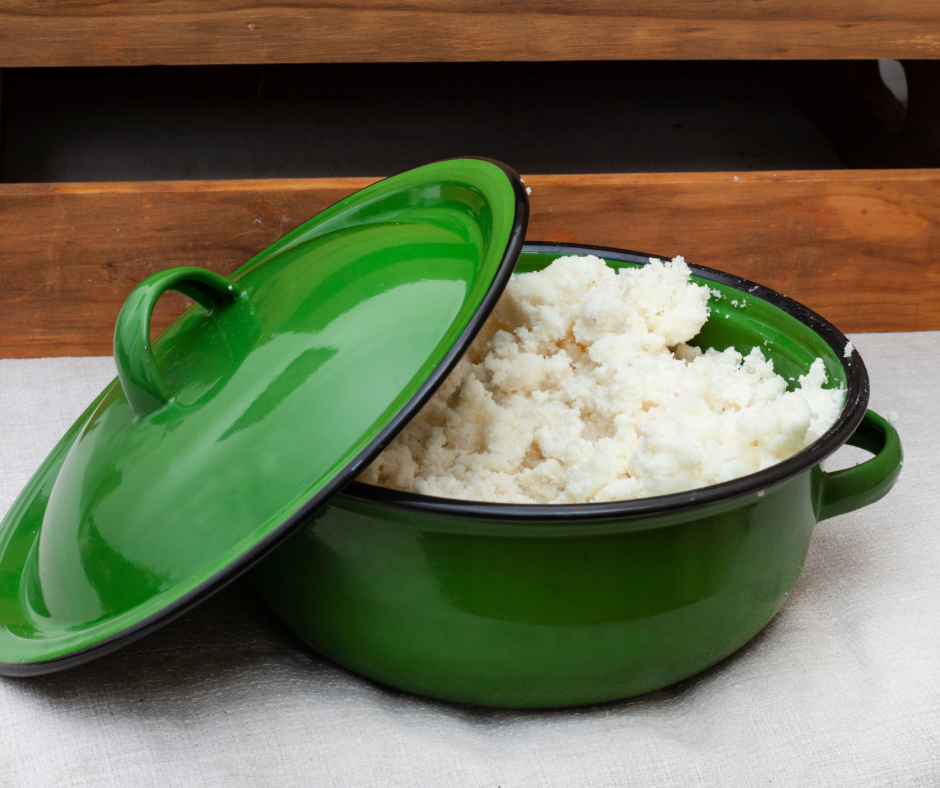
Crumble Pap (Phuthu / Isitambu)
Dry and grainy, made with minimal water
Commonly eaten with amasi (soured milk), milk and sugar, or with meat and beans
Especially popular in isiZulu, isiXhosa, and rural communities
Essential Ingredients
White maize meal (superfine or coarse grind)
Water
Salt
Optional: milk, butter, sugar (depending on the style)
How to Make Soft Pap (Slappap)
Ingredients:
1 cup maize meal
4 cups water
Pinch of salt
Instructions:
Bring water and salt to a boil in a large pot.
Slowly whisk in the maize meal to prevent lumps.
Stir continuously over medium heat for a smooth, porridge-like texture.
Cover and simmer for 25–30 minutes, stirring occasionally.
Serve With:
Milk, butter, and sugar for breakfast
Tomato smoor and boerewors for lunch or dinner
How to Make Stiff Pap (Stywepap)
Ingredients:
1 cup maize meal
2.5 cups water
Pinch of salt
Instructions:
Bring water and salt to a boil.
Add the maize meal slowly, whisking or stirring with a wooden spoon to avoid lumps.
Keep stirring until thick.
Reduce heat to low, cover with a lid, and steam for 25–30 minutes.
Stir once more before serving.
Serve With:
Braaied meats and chakalaka
Beef stew, mogodu, or gravy-based dishes
How to Make Crumble Pap (Phuthu / Isitambu)
Ingredients:
2 cups maize meal
2.5–3 cups water
Pinch of salt
Instructions:
Bring water and salt to a boil.
Gently sprinkle the maize meal over the surface without stirring.
Cover and steam on low heat for 15–20 minutes.
Uncover and fluff with a fork or wooden spoon to break into crumbs.
Cook uncovered for an additional 5–10 minutes to dry it slightly.
Serve With:
Amasi or milk and sugar for breakfast
Tomato relish, eggs, beans, or grilled meats

Common Mistakes to Avoid
Lumps? Add maize meal slowly while stirring or whisking.
Raw texture? Always steam for at least 25 minutes.
Crumble too moist? Use less water and allow uncovered cooking at the end.
Pap Pairing Ideas
Braai meats + chakalaka + bean salad
Mogodu and gravy
Stewed lamb or beef curry
Amasi or milk and honey for breakfast
Fried eggs + tomato relish on top of crumble pap

Final Bite
Pap is one of those dishes that brings people together, no matter how you make it. Whether you prefer it silky smooth, firm and hearty, or grainy and rustic, there’s a version that fits your table and your taste.
Try all three styles and discover your favorite, then serve it with one of our classic dishes like mogodu, chakalaka, or boerewors.
Try this next: How to Make the Perfect Chakalaka – the ultimate pap pairing!


Comments